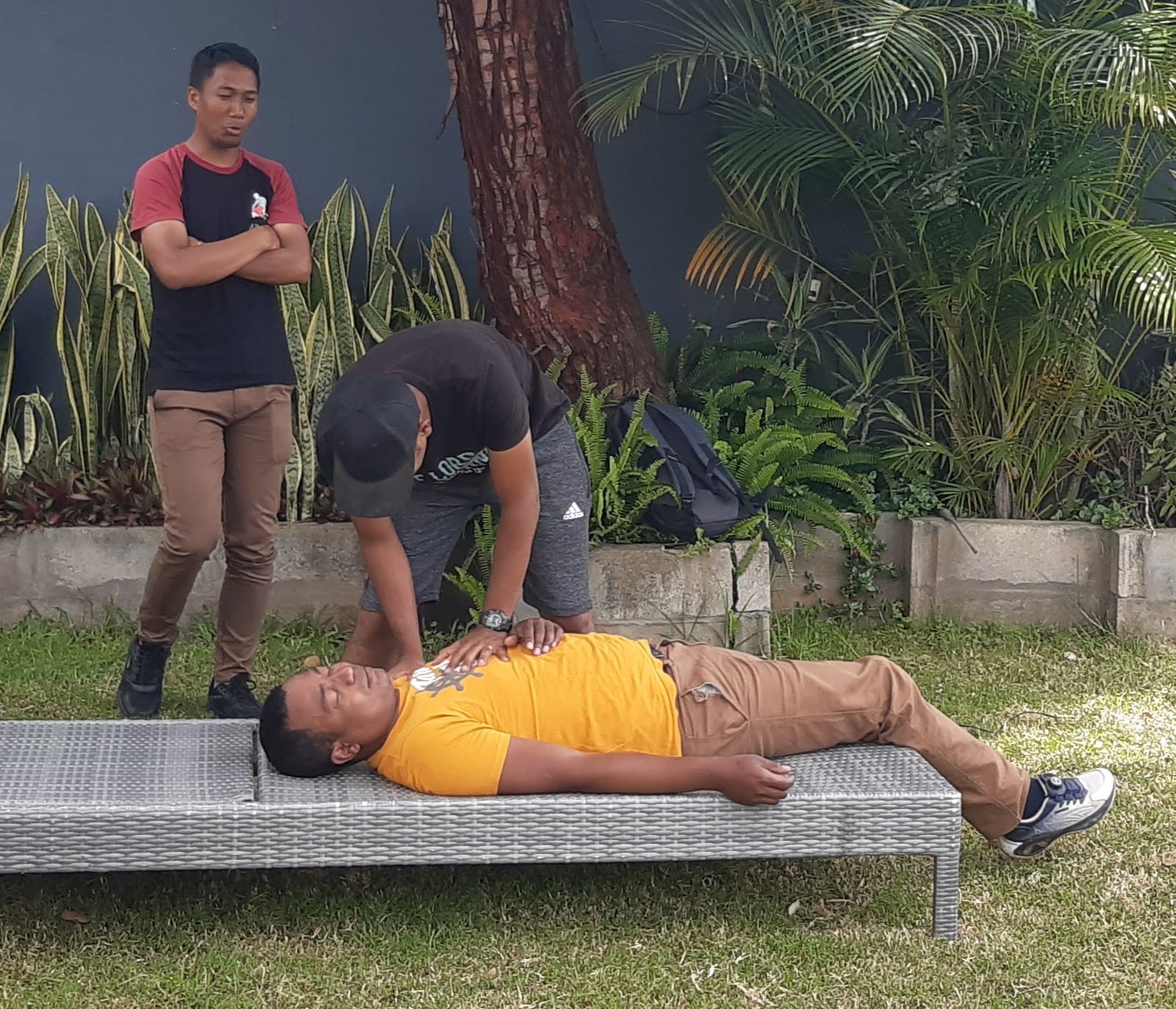
In Madagascar, emergency medical help is not just a phone call away. In most situations of an accident, there isn’t a doctor, nurse or trained emergency rescuer present. Instead you usually find ordinary citizen, surprised by the situation, unsure of what to do, yet genuinely trying to help in the best way they can.
This is a reality I think about constantly in my work with AiNA soa. It shapes the way I see first aid — not as a technical skill reserved for professionals, but as something every person deserves access to. And it reminds me, every single day, why sharing this knowledge matters so much.
Because sometimes, the difference between life and death is not advanced medicine. Sometimes, it is simply knowing what to do in the first few minutes.
Learning to Value Different Strengths
Over the years, I’ve come to realize something important: everyone has their own strengths and weaknesses — and that includes me.
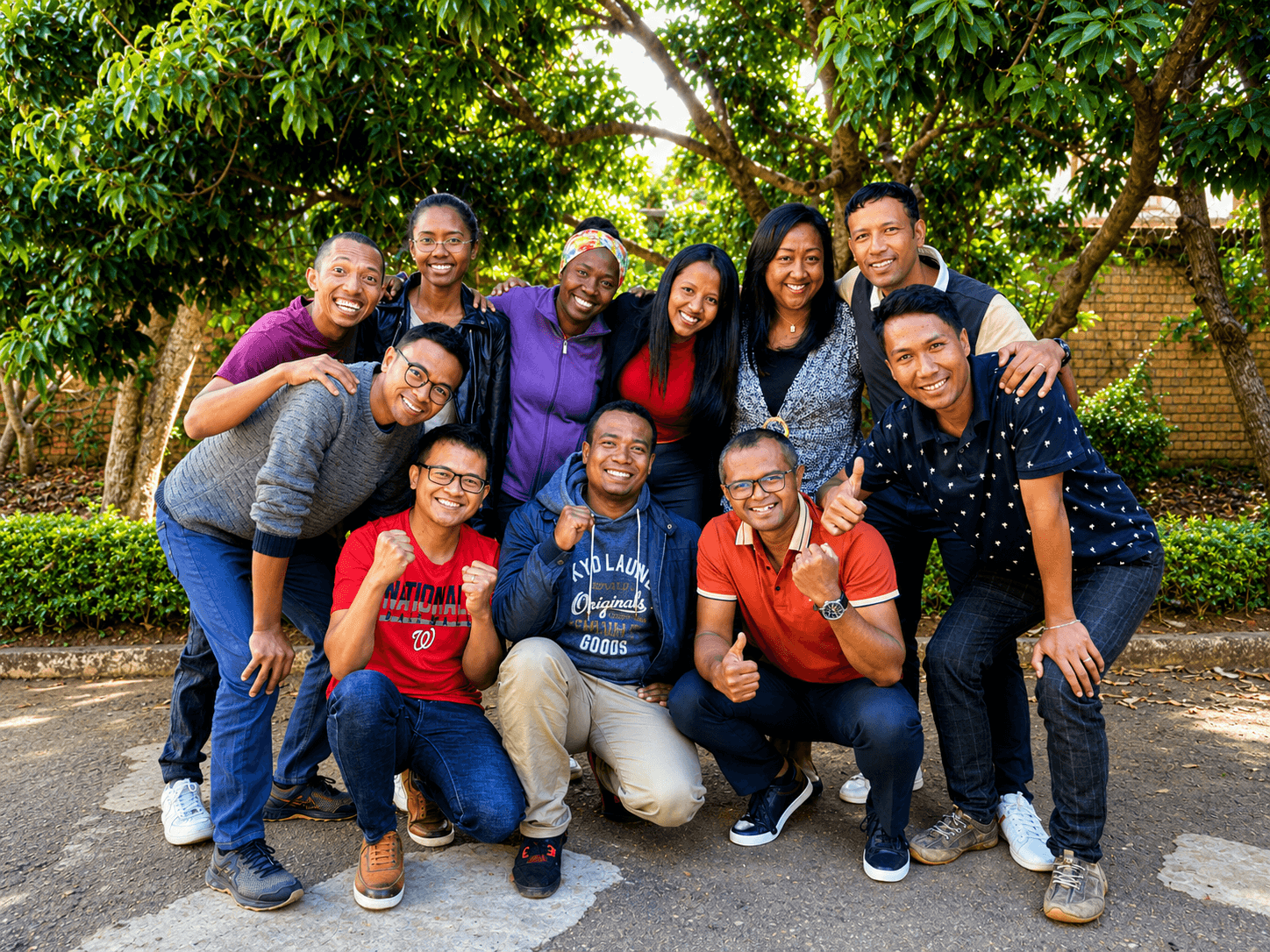
There are moments when I feel comfortable explaining first aid concepts, breaking them down in ways that others can follow. But there are also times when I watch a colleague naturally light up a room, or lead a discussion with an energy I can only admire and learn from.
I’ve been inspired by teammates who express ideas through photography, video, and storytelling. I’ve learned the quiet value of simply being present — adjusting equipment, supporting others, stepping in wherever needed behind the scenes.
All of this has shaped how I understand my own role. It has taught me that I don’t have to be good at everything. What matters is contributing in my own way, while growing through the strengths of those around me.
The Frustration of Trying to Be Heard
Like many organizations today, we decided to use social media — Facebook, Instagram — to reach more people. The goal was straightforward: if we could bring first aid knowledge directly to people’s screens, we might help someone learn a lifesaving skill in just a few minutes.
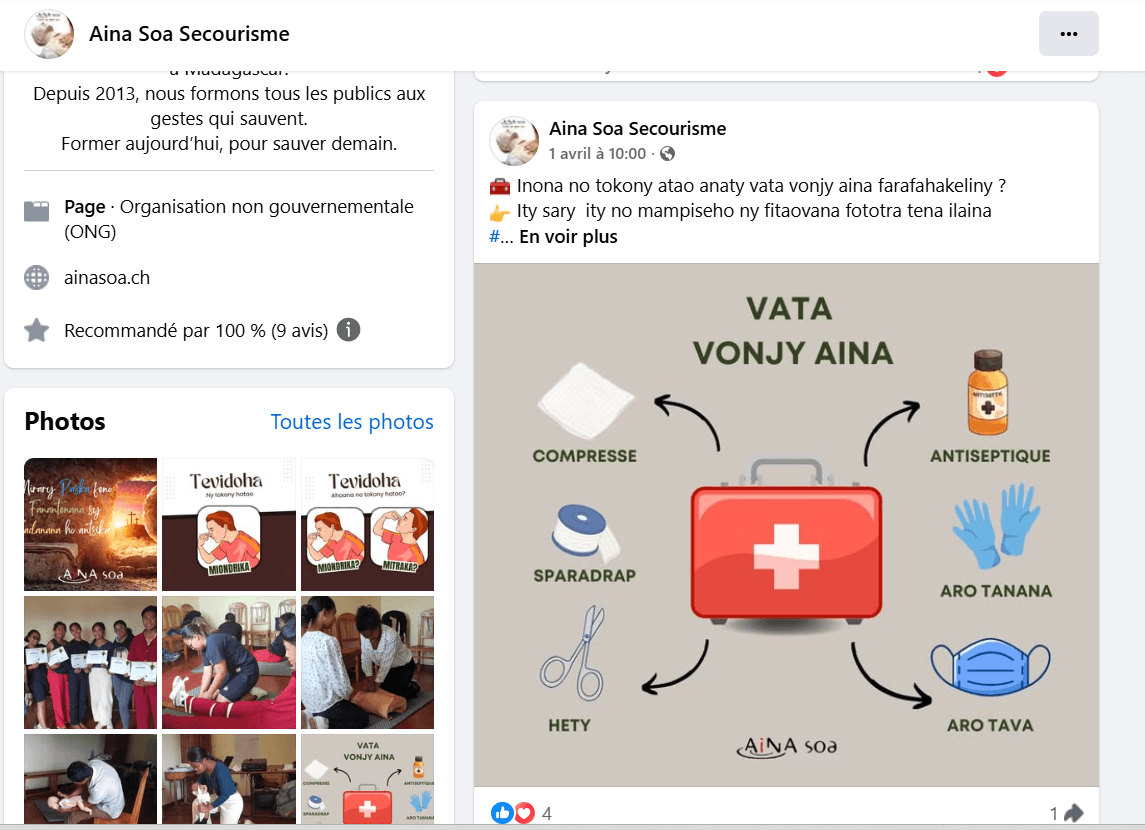
But reality quickly reminded us that educational content struggles to compete online. Funny videos, everyday moments, trending content — they attract attention far more easily than a short lesson about emergency care. After posting several times and seeing only a handful of views, it was hard not to feel discouraged.
For a moment, it felt like we were speaking into the void.
But instead of giving up, the team always came back to the same question: how do we make people stop, watch, and actually learn?
A New Idea: Teaching Through 7 Days
Instead of chasing a single viral video, we chose a different approach. What if we created a short series, released over several days, designed to build both curiosity and habit?
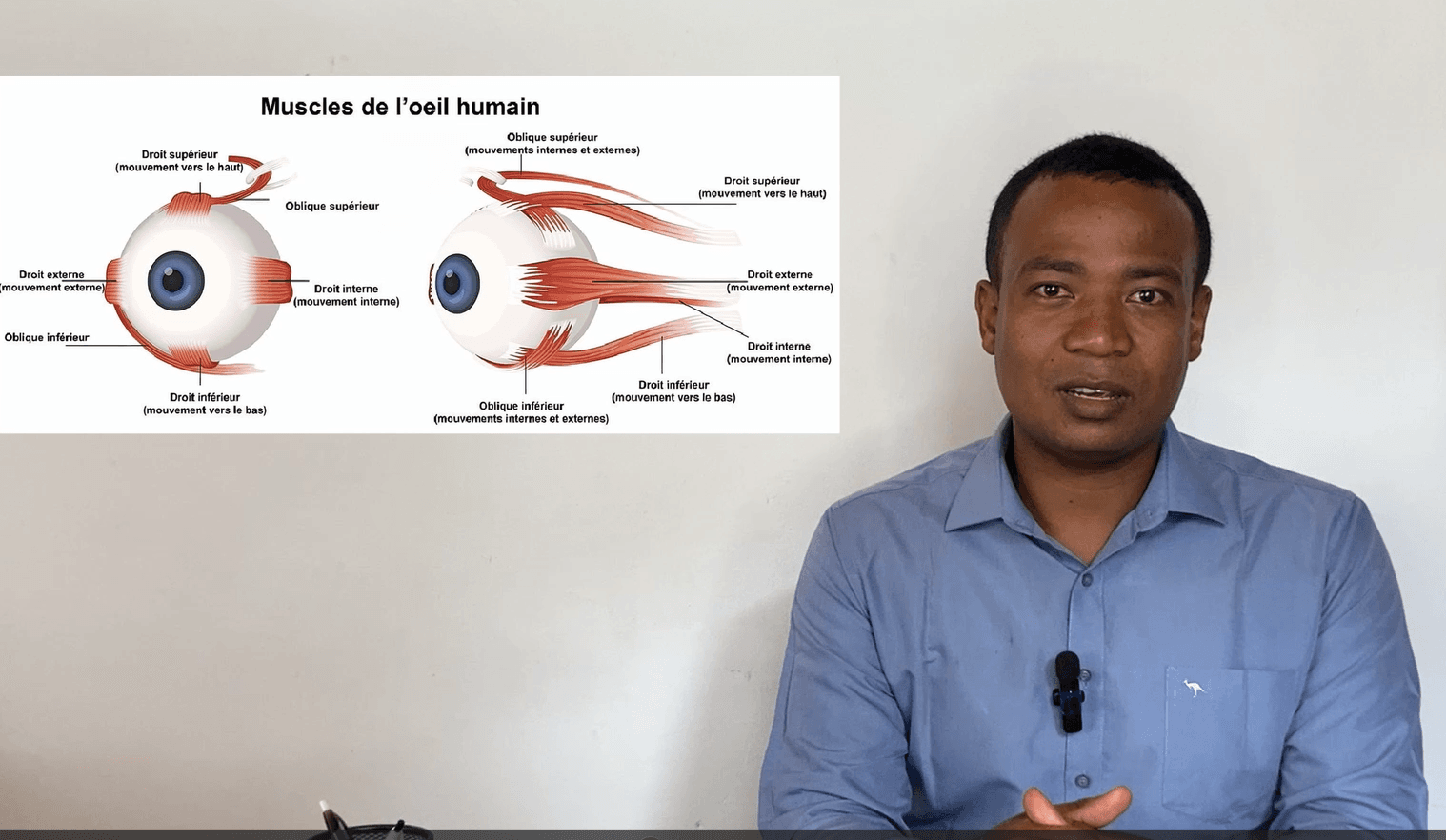
That’s how the idea of a 7-day video series on simple eye exercises was born.
I know — at first glance, it might seem like an unexpected topic for a first aid organization. But eye discomfort, strain, and minor visual issues are extremely common, especially with the increasing time we all spend in front of screens. And for us, this subject offered exactly what we needed: practical, easy-to-follow actions; short, engaging daily content; and a reason for people to come back the next day.
Teamwork in Action
Once the idea was set, the team came together — each person contributing in their own way.
Some worked on simplifying the explanations so that anyone could follow along. Others focused on the visual side — framing shots, making the videos more dynamic, giving each clip its own energy. And some made sure the series held together across all 7 days, building something coherent rather than just a collection of isolated clips.
We wanted each video to be short, clear, and easy to reproduce at home. But beyond the technical work, what made the process truly special was the atmosphere around it. There was laughter during filming. There were debates about how to explain things better. There was a shared desire — genuine and unforced — to make something useful, together.
Those moments perfectly reflect the spirit of what AiNA soa is, at its core.
Success Is Not Always Measured in Views
When all the videos were finally published, I found myself quietly wondering how people would react. I wasn’t in charge of the social media strategy, but having been part of the process, I still felt curious — and hopeful — to see how far the message would travel.
Like many educational initiatives online, the numbers stayed far below what we had hoped for.
At first, I expected that to sting. But surprisingly, it didn’t affect me the way I thought it would. Instead, it made me reflect on what success really means in this kind of work.
Impact cannot always be measured through numbers alone. If even one person watches that video and remembers — truly remembers — to check for breathing, or to place someone in the recovery position during a real emergency, then the effort already matters. That one person could one day save a life.
And for me, that possibility changes everything.
Why I Keep Going
Being part of AiNA soa has gradually changed the way I see the world.
I’ve come to understand that this mission is not about visibility or numbers. It’s about sharing knowledge that can truly empower people. Even when I’m not at the center of every initiative, I still feel deeply connected to that purpose.
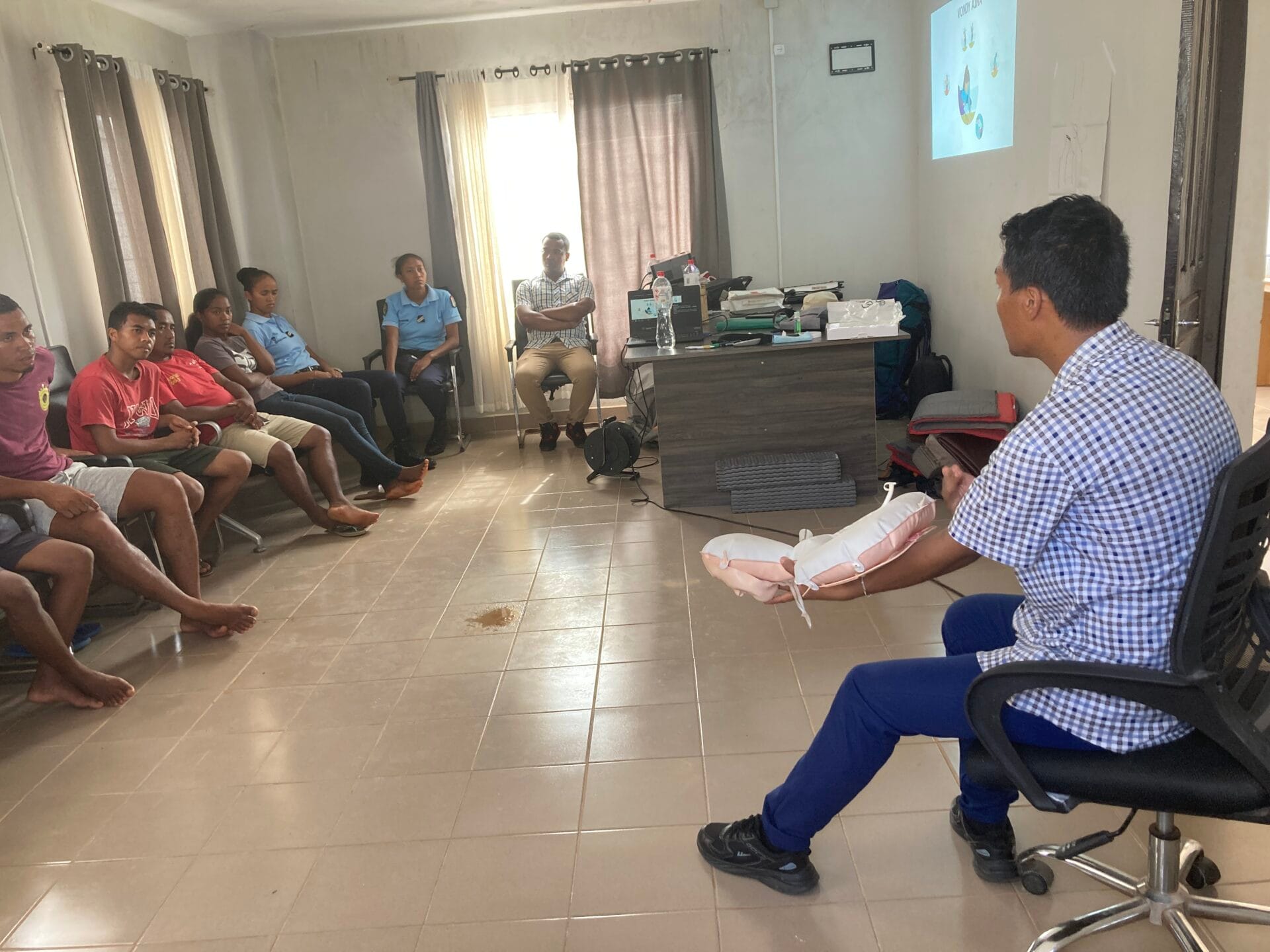
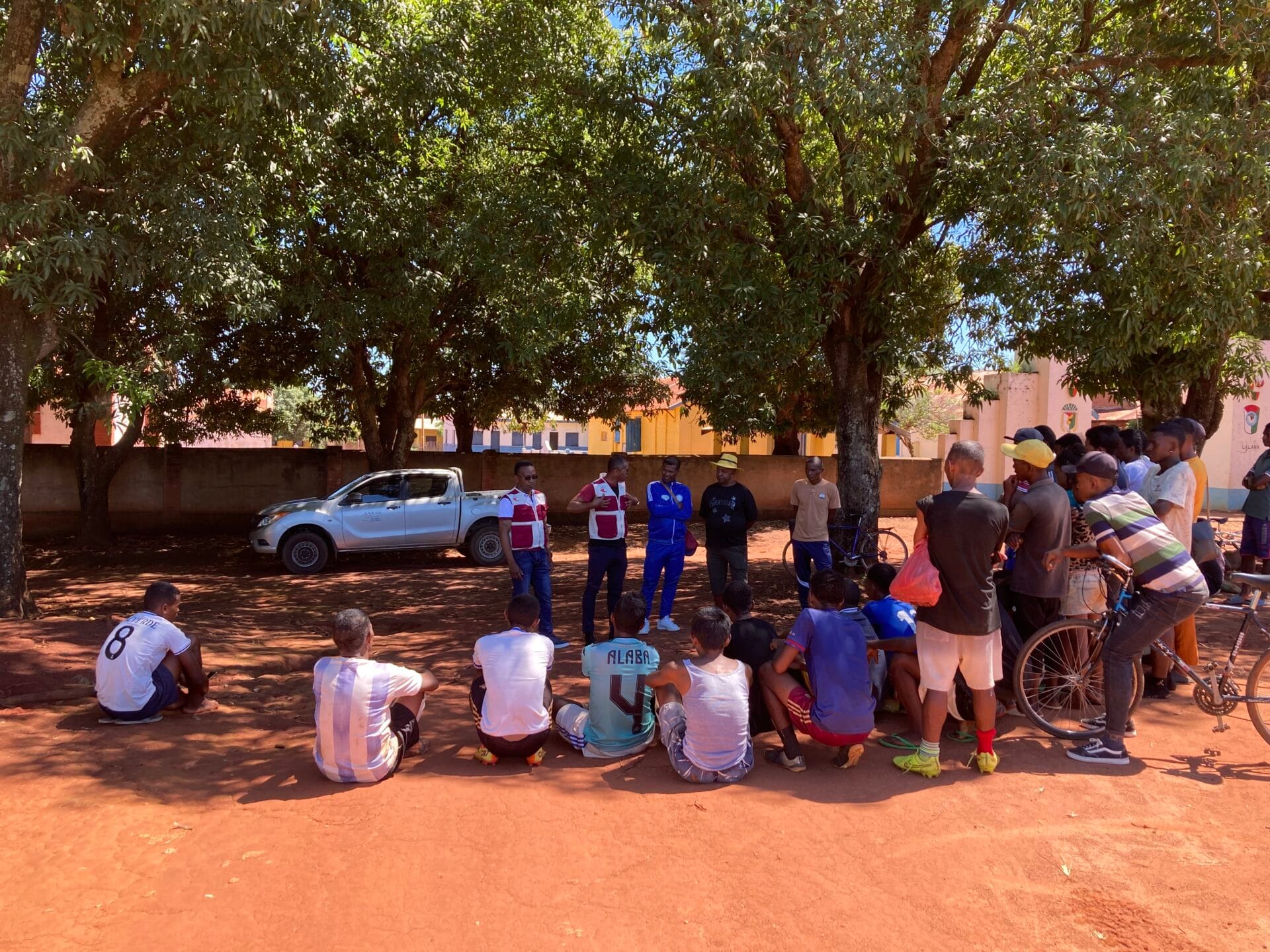
Through training sessions, field missions across Madagascar, and different creative approaches, I’ve seen how many ways there are to pass on even the simplest lifesaving skills.
Sometimes it happens in a classroom.
Sometimes it happens on the road, traveling from one region to another.
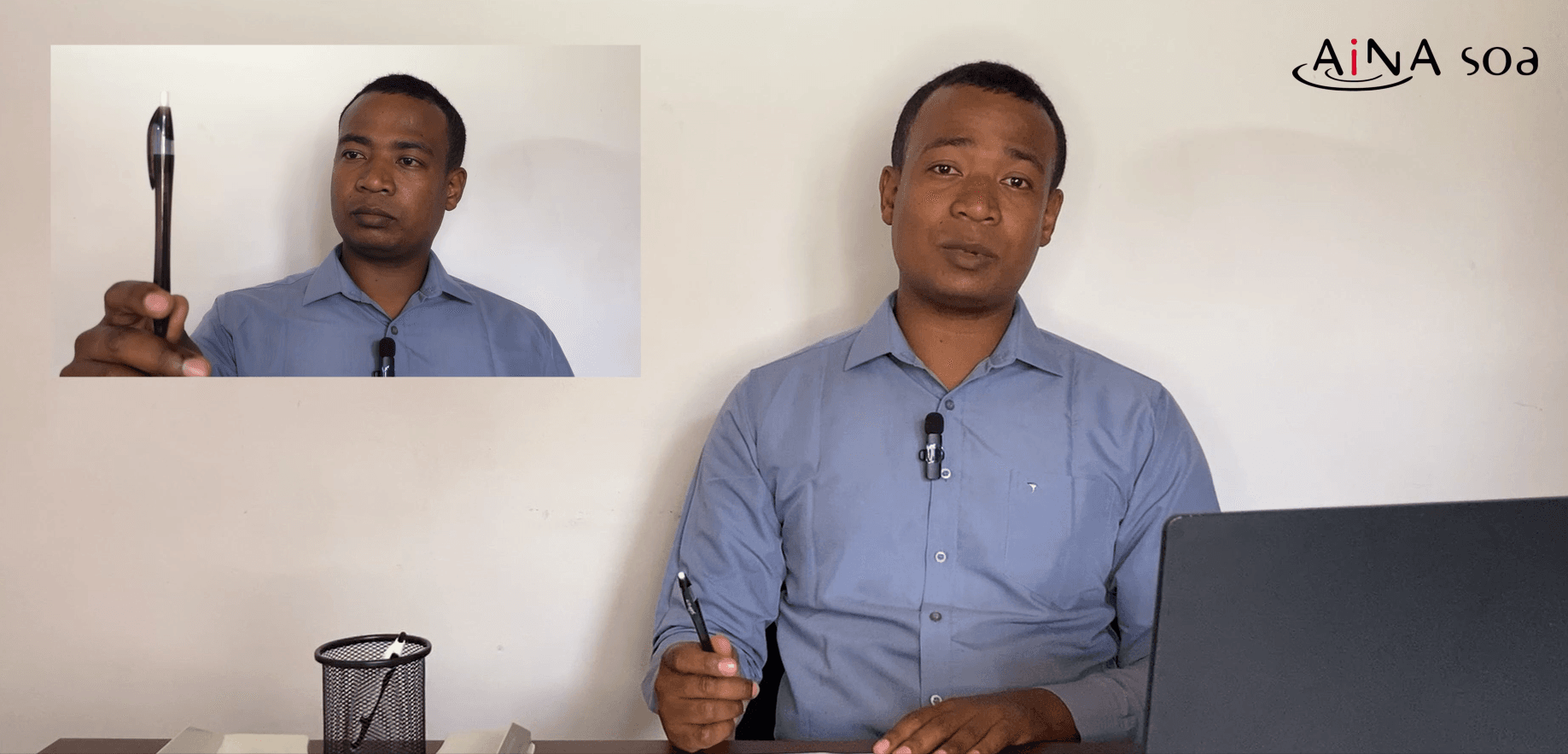
And sometimes, it happens through a simple video series that fits into someone’s daily life.
The goal, always, remains the same: to make first aid knowledge accessible, practical, and — above all — something that sticks.
Avotra, Doctor and First-Aid-Instructor