
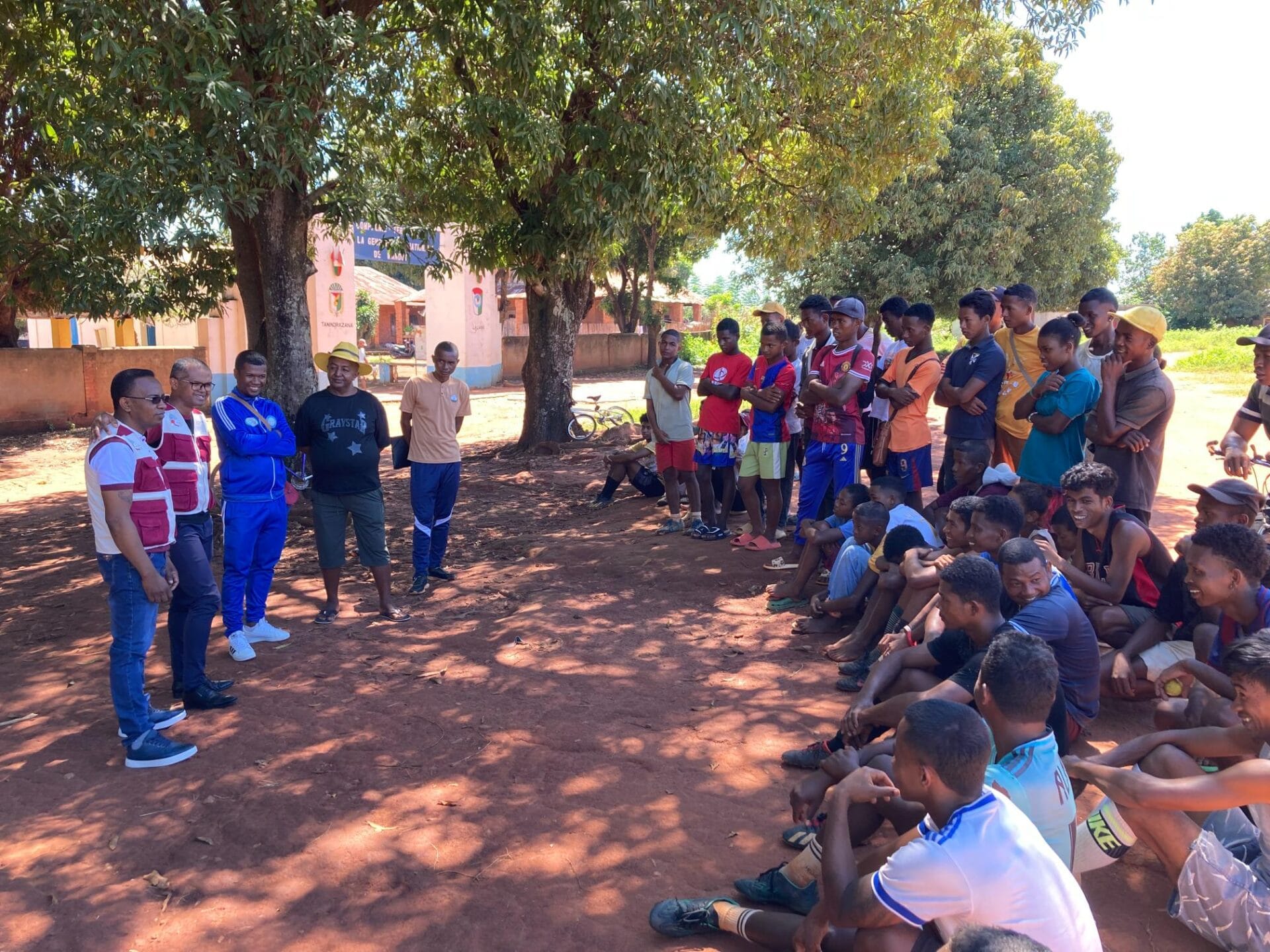
Every new year comes with its share of challenges—but also new opportunities. At AiNA soa, the first few months are rarely the most visible but often the most decisive. It is during these quieter moments, away from the intensity of fieldwork, that the foundations for the year ahead are built.
When the rainy season becomes a time to build
In Antananarivo, the first rains of the year reshape daily life. Roads become harder to access, travel to remote regions becomes more complicated, and the pace of field missions naturally slows down. The team therefore remains mostly in the capital, balancing office work and local training sessions.
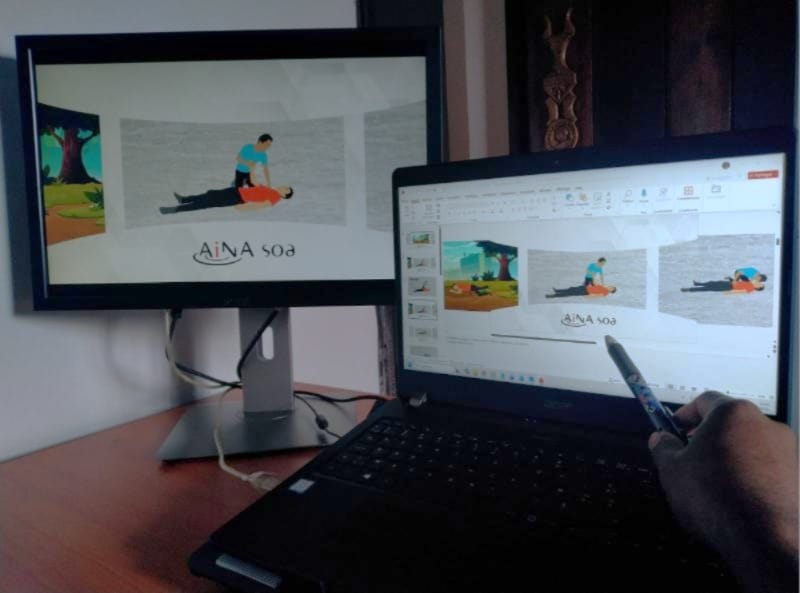
But far from being a slow period, these weeks become a true space for reflection and improvement. Trainers take the time to revisit training materials, update content in line with the latest international recommendations, and integrate valuable feedback collected from past participants.
It is also in this calmer atmosphere that new content comes to life. Cameras turn on, scenarios are imagined, demonstrations are filmed… the team mobilizes to produce videos and continue spreading essential first aid knowledge, even from a distance.
Meeting the field: the first steps of the FAWAY project
Then comes the moment to hit the road again. In early March, the team headed to the Mid-West region of Madagascar. A new chapter began with the launch of the FAWAY project, carried out in partnership with the Ministry of Youth and Sports.
FA-WAY stands for “First Aid for Women and Youth” and therefore focuses on providing first aid training to women and young adults. These population groups need to be supported in order to strengthen their personal skills and self-confidence, thereby bringing about positive behavioural change in Madagascar. From 2024 to 2025, this project was implemented in four districts on the east coast of Madagascar. Building on the results achieved and the lessons learnt during this first phase, AiNA soa is planning a future phase aimed at replicating the project in other areas of central-western Madagascar.
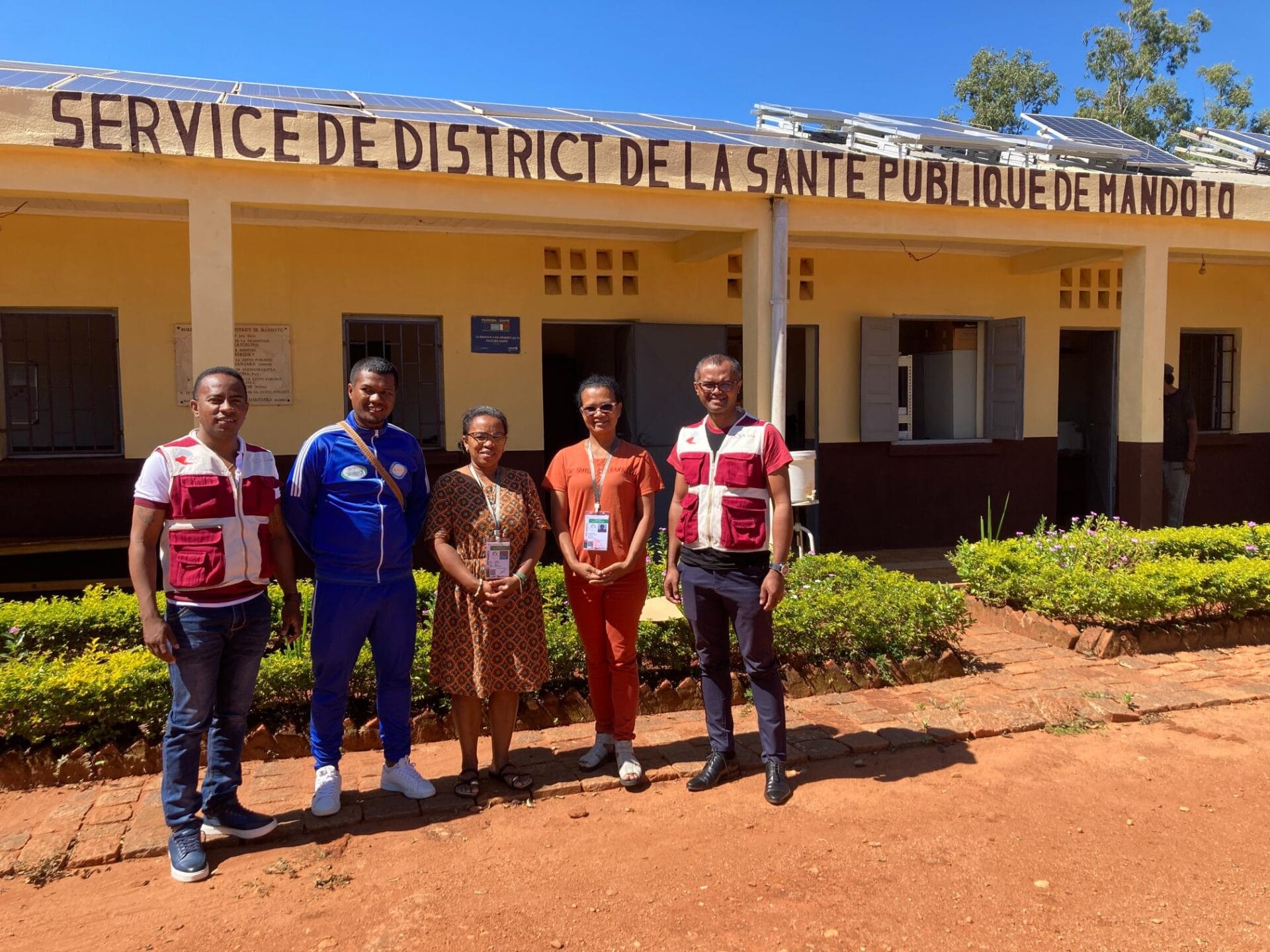
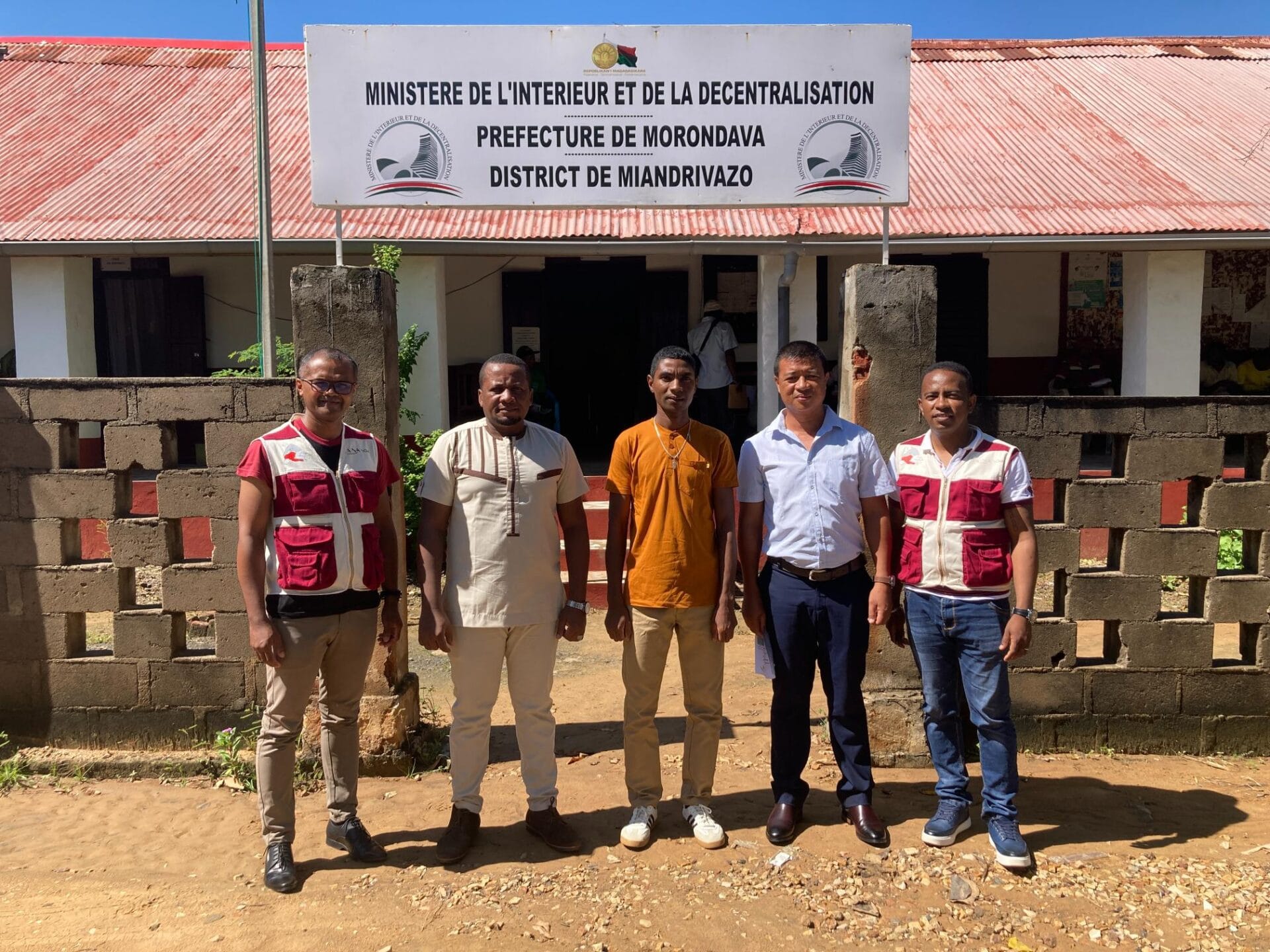
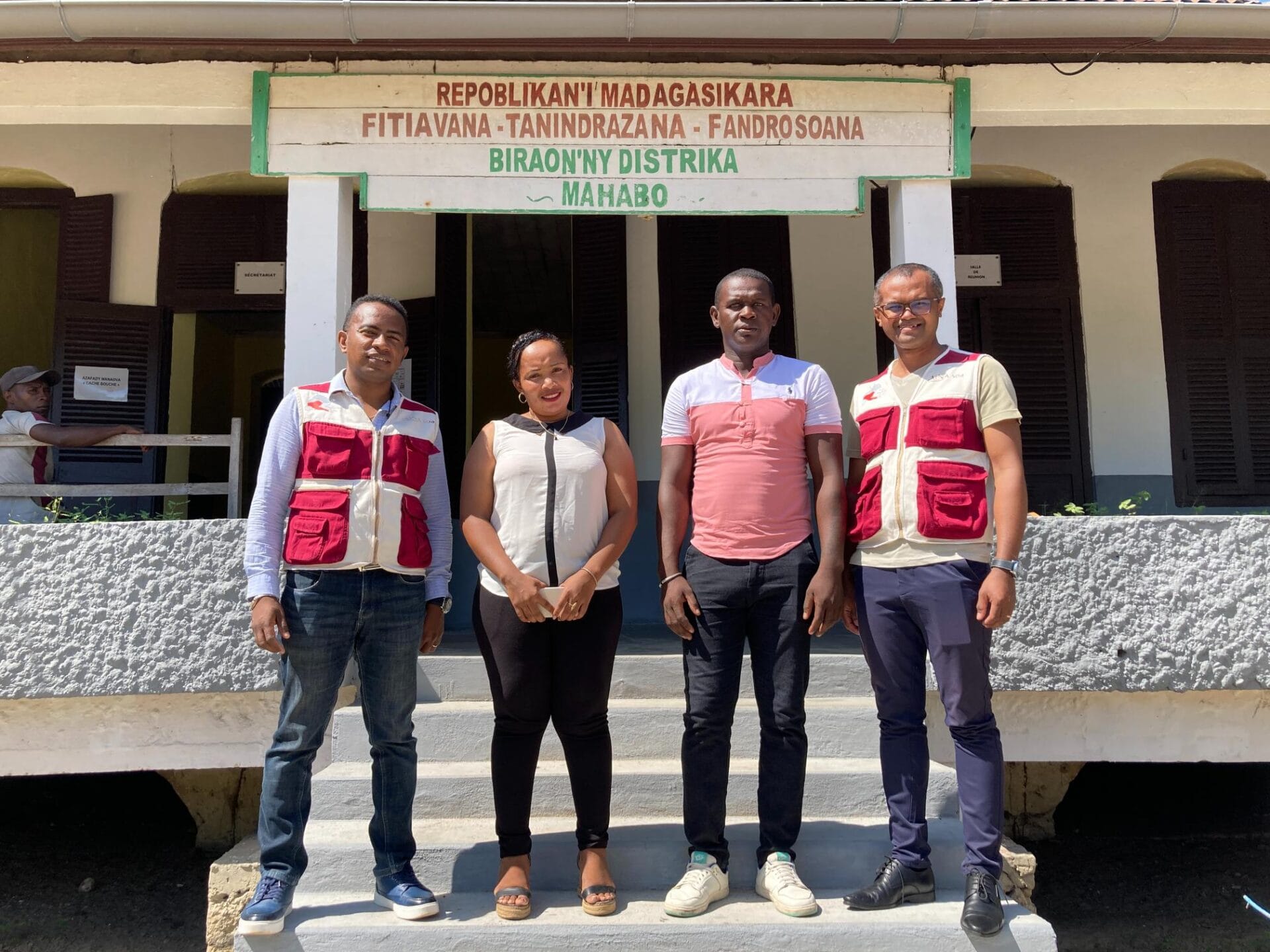
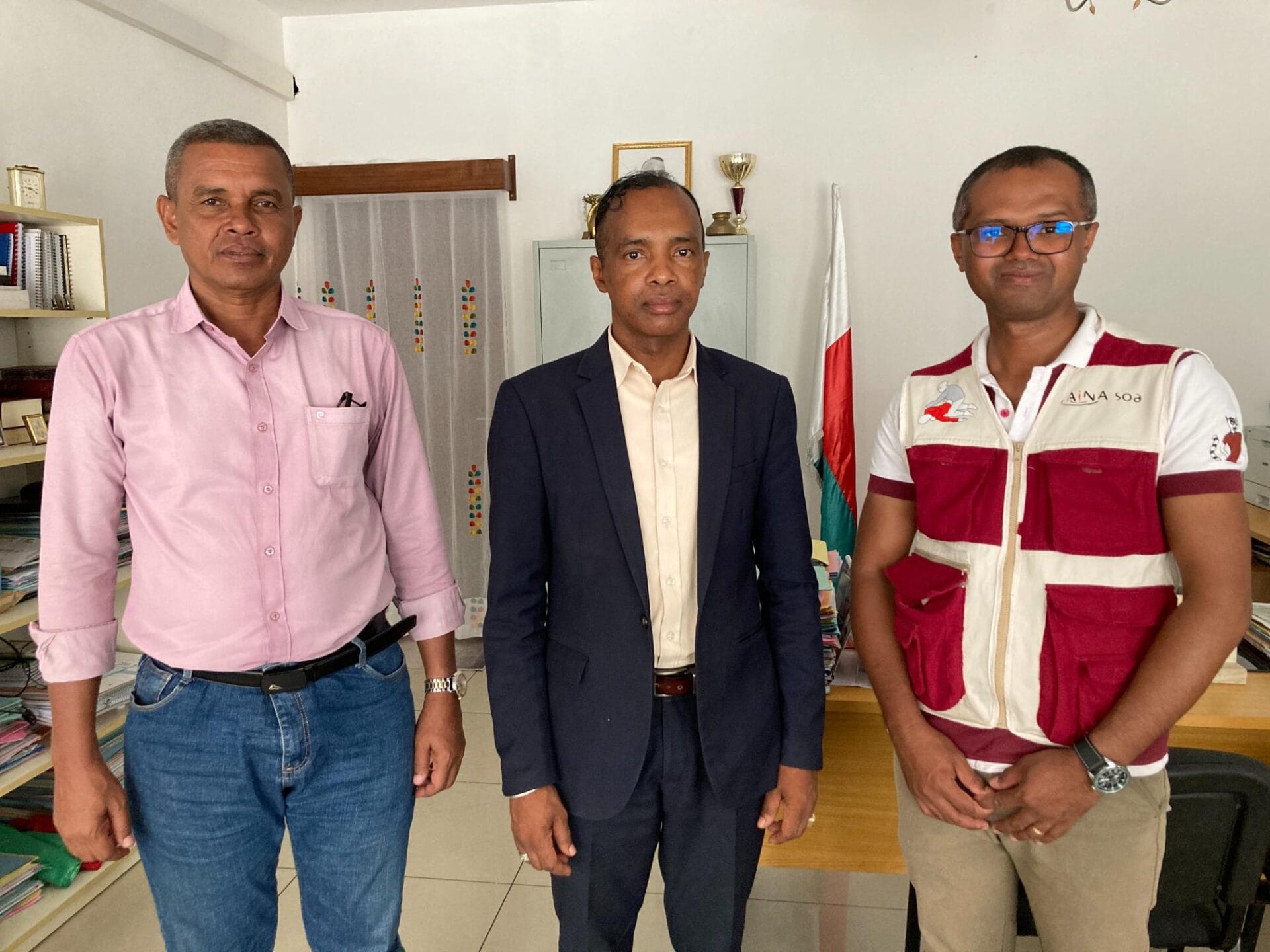
From Mandoto to Morondava, via Miandrivazo and Mahabo, each stop was marked by meaningful encounters. Meetings were held with regional authorities, district leaders, mayors, ministry representatives, and youth organizations.
With every discussion, the project became more tangible. Presenting objectives, listening to expectations, gathering insights—these courtesy visits were far more than formalities. They helped anchor the project in its local context, adapt it to realities on the ground, and build a strong foundation for collaboration from the very start.
Presenting objectives, listening to expectations, gathering insights…With every discussion, the project became more tangible.
Rethinking learning: when first aid becomes a game
What if learning life-saving skills could also be fun?
With this idea in mind, the AiNA soa team has been working since last year on a different kind of project: a board game dedicated to first aid. An ambitious initiative aimed at making learning more accessible, interactive, and engaging.
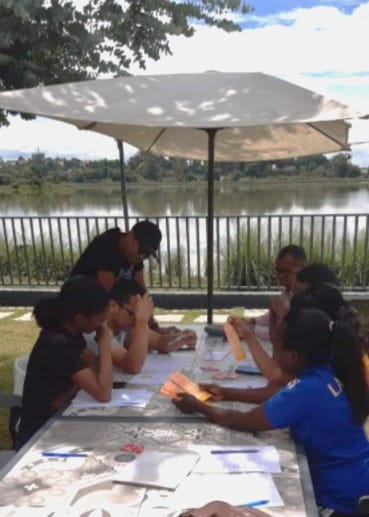
In recent months, the project reached an important milestone with its very first test. Not yet with the public, but internally. Gathered around a table, team members discovered the game together: experimenting, questioning, and sometimes debating.
Feedback flowed, and so did new ideas. Some rules were refined, others redesigned. But one thing quickly became clear: the game has strong potential. Beyond its educational value, the experience also created a moment of connection, strengthening team spirit and communication.
Building today to act better tomorrow
These first months of the year remind us of something essential: behind every field action lies invisible but fundamental work. Preparing, listening, testing, adapting. Each step matters in creating meaningful and lasting impact.
As the year is just beginning, the AiNA soa team is more committed than ever to its mission: ensuring that every Malagasy person, one day, has the knowledge and confidence to save lives.
Mirindra